Maybe it’s time to stop trying to electrify boating?
Recreational boating has a problem (and it’s not the one you think)
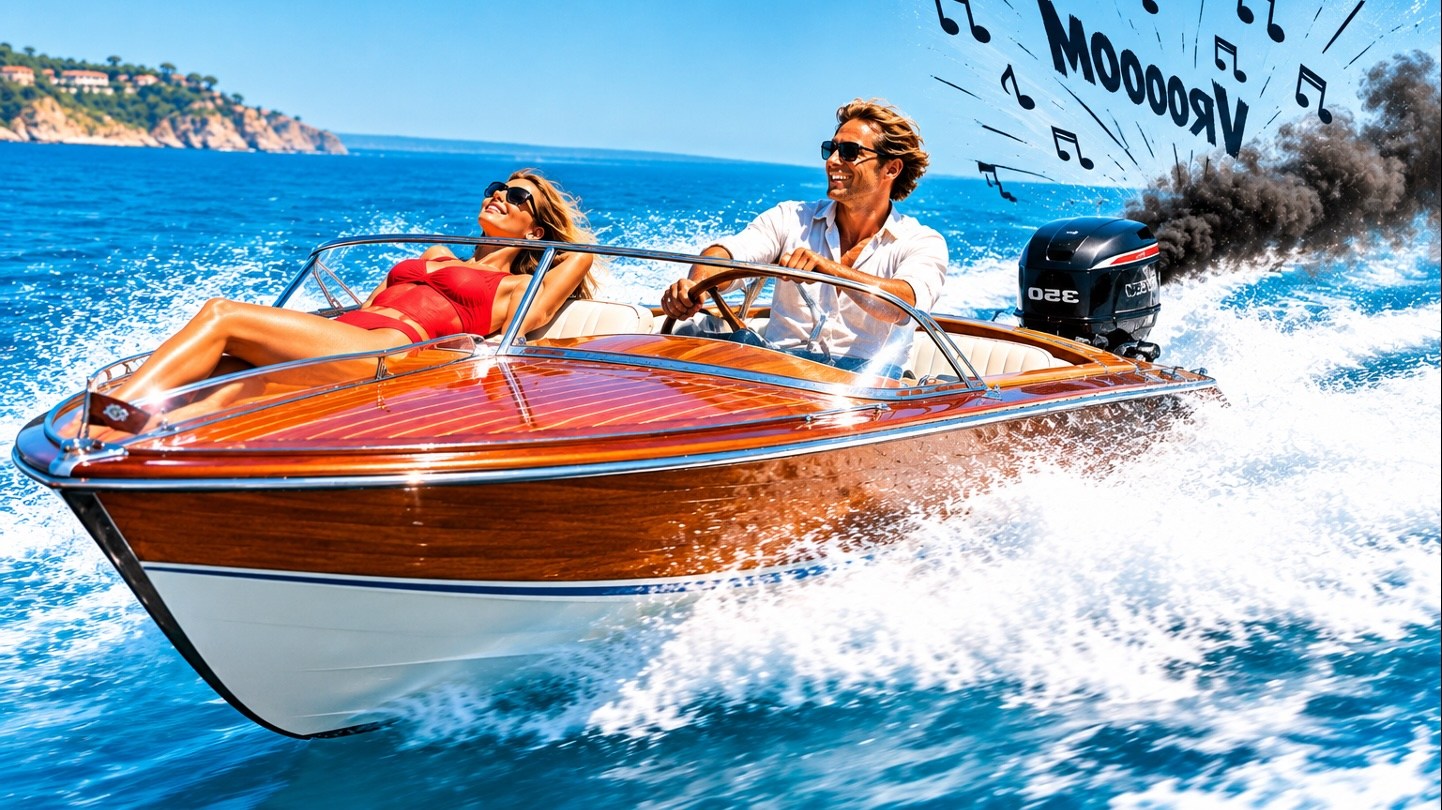
When people picture a pleasure boat, an image straight out of the 1970s comes to mind: the humming engine, the smell of fuel, the noise that drowns out every conversation. That era is over, and so is the way we used to boat.
Many boaters today wish to go electric, for the silence, the absence of fumes, and the respect for lakes and shorelines. But they quickly run into a wall: a battery stores about twenty times less energy than a fuel tank, at a comparable weight. As a result, going electric while keeping the same boat means paying more to cruise for less time.
In other words: this isn’t just about swapping an engine. It’s about changing the way we boat.
 Our bet: starting from a blank slate
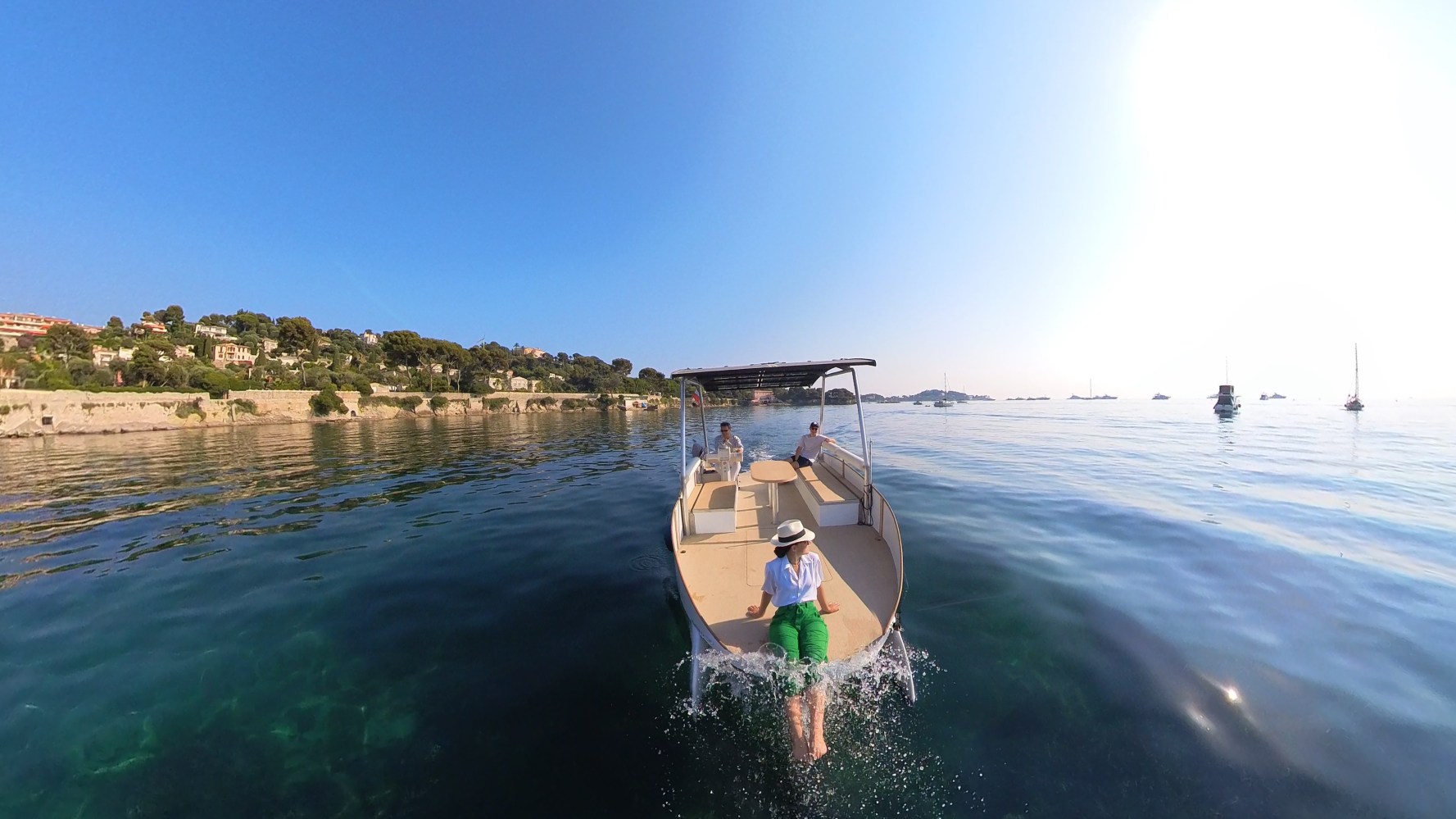
Rather than adapting a boat designed for fossil fuels, we chose to start from scratch, with boats designed from the ground up to run on solar energy.
For ten years, this bet has been tested against reality: more than 20,000 passengers around the world have cruised on board. And the verdict is unmistakable, with an average five-star rating in customer reviews. We’re not the ones saying it, the sea is.
So there is indeed a market for solar boating. The real question is how to grow it profitably.
A model that’s already up and running, with proof
Our answer rests on a proven ecosystem built on three pillars:
1. Solar boats at market price. We can produce them at a cost competitive with comparable boats. Solar is no longer a pioneer’s luxury.
2. A fleet that funds its own growth. We operate our own boats, which generates steady, recurring revenue. Every euro earned on the water funds the development of the next one. Today, this working capital would allows us to build up to 10 boats a year for potential clients and carry up to 6,000 potential passengers annually. Growth doesn’t wait for investors: it moves forward on its own, at its own pace, on its own revenue.
3. Jobs created where the boats are. Thanks to our franchise model, every region can develop its own solar boating activity with local, lasting, resilient jobs. No distant shipyard, no dependency: local entrepreneurs can be trained in our know-how.
Making it real: Seazen’s offers
Ready to join the movement? There are several paths to solar boating:
- Cruise as a passenger: step aboard a solar boat for a cruise or a discovery outing, with no commitment.
- Rent a solar boat: take the helm for a day or a weekend, in peace and quiet as a boat club member.
- Buy your own boat: become the owner of a solar boat, individually or as part of a co-ownership.
- Become a Seazen franchisee: start or grow a rental or passenger transport business in your region, with our full support.
- Invest in the fleet: invest in a boat operated by us or by a franchisee and share in the revenue it generates.
Conclusion
Electric isn’t a constraint, it’s an invitation: an invitation to boat differently. Solar has found its audience, its market, and its business model. All that’s missing is you.
Silent, clean, and powered by nothing but sunshine, solar boating is no longer a dream. It’s already here.